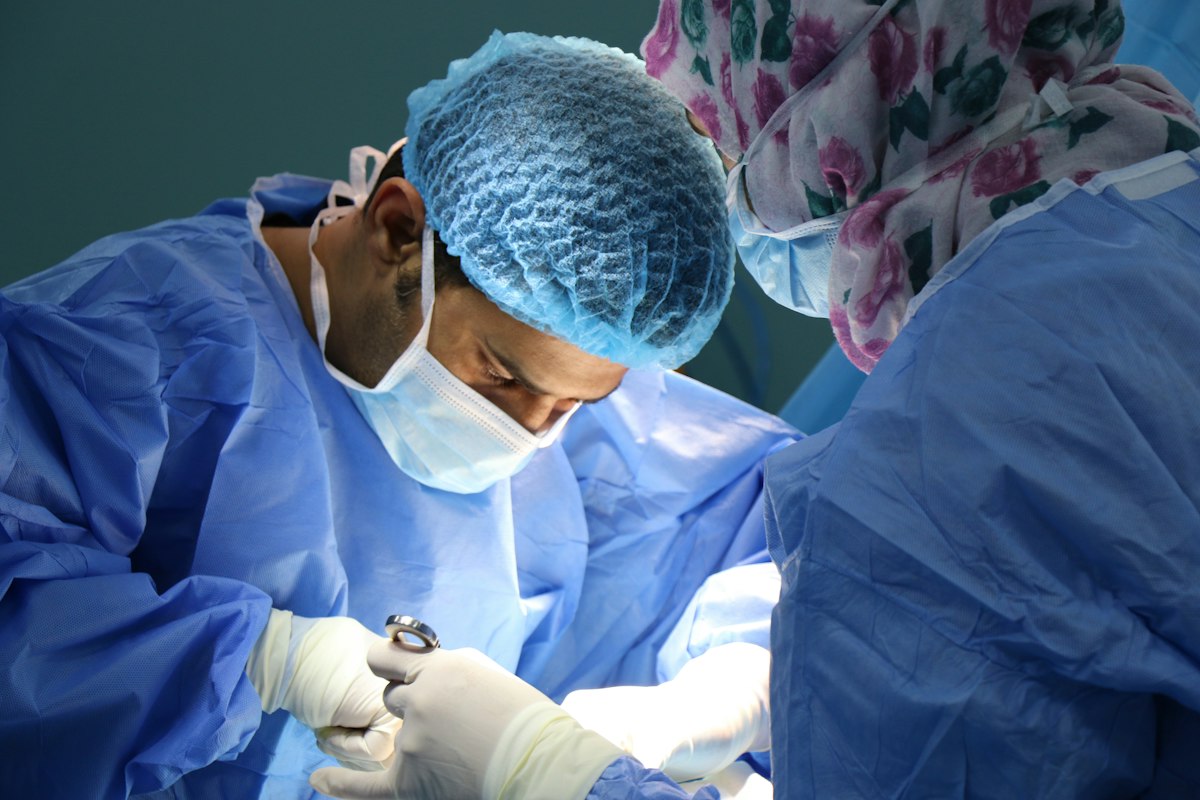
I went into consultations thinking I'd be comparing prices and nose shapes. I came out comparing anesthesia protocols. Not exactly what I planned, but honestly? It might have been the most useful thing I did.
When I was researching clinics in Korea for a rhinoplasty consultation, I kept seeing the phrase "IV sedation" thrown around like it was totally normal. In some countries, that's considered a big deal. In Korea's aesthetic clinic world, it's practically standard. But who is administering it matters enormously.
The difference between a nurse and an anesthesiologist
At some smaller clinics, IV sedation is administered by a trained nurse or the operating doctor themselves. At larger, more safety-focused clinics, there's a dedicated board-certified anesthesiologist whose only job is to monitor you while you're under.
This isn't a knock on nurses — Korean medical training is rigorous. But if something goes wrong under sedation, having a specialist in the room is a completely different level of safety net.
What I actually asked at each clinic
I visited five clinics in Gangnam over two days. At each one, I asked the same question: "Who administers the anesthesia, and will they be in the room the entire time?"
Two clinics gave me a slightly vague answer about their "medical team." One clinic said they use a nurse for IV sedation. Two clinics immediately said they have a dedicated anesthesiologist on staff — and one of them offered to introduce me to the doctor before the procedure.
Guess which two I shortlisted.
How to find clinics with anesthesiologists on KBeauty Finder
This is actually one of the filters on KBeauty Finder — you can specifically search for clinics that have an anesthesiologist on staff. Combined with the CCTV filter and English support filter, it narrows down the list to clinics that are genuinely set up for international patients who care about safety.
It saved me a lot of awkward phone calls.
The bottom line
I'm not saying you need to be paranoid. Korea has some of the most skilled plastic surgeons in the world, and the vast majority of procedures go perfectly. But asking about anesthesia isn't paranoid — it's just smart. Any clinic that gets defensive about the question is telling you something.